

OUR MISSION
1 GLOBAL ESL Certified Ambassador in every District
1 GLOBAL ESL Certified Teacher in every classroom
GLOBAL ESL CERTIFICATION prepares teachers to meet the evolving needs of English Learners worldwide. The program builds cultural awareness and deepens understanding of language acquisition, pedagogy, and assessment strategies, equipping educators with research-based tools for effective instruction.
With every ESL-certified teacher, we tighten the academic gap

Opportunities for Certified ESL Teachers
According to the National Center for Education Statistics NCES), One out of 10 U.S. public school students are learning to speak English. They are called English Language Learners (ELL’s). According to the US Department of Education there are more than 61,000 EL’s speaking more than 200 different languages in Pennsylvania. Educating EL’s has become an enormous challenge across America. EL’s fall behind in terms of academic achievement and graduation rates. But the PDE is making great strides in encouraging teachers to get additional training with the ESL Program Specialist Certification series.
ESL (English as a Second Language) teachers have a wide range of career opportunities both in the United States and around the world. The demand for English language instruction continues to grow, creating diverse pathways for educators based on their qualifications, experience, and career goals.
In the U.S., ESL teachers work with English Language Learners (ELLs) across K-12 schools, colleges, adult education programs, and corporate settings. Demand is high as more than one in ten students are ELLs in US schools.
K-12 Public & Private Schools
Teach ELL students in elementary, middle, and high schools.
Work in ESL pull-out programs, sheltered instruction, or dual-language immersion settings.
Job demand is high in states with large immigrant populations (e.g., California, Texas, Florida, New York).
Salaries: $45,000 - $80,000+, depending on experience and location.
Community Colleges & Universities 🎓
Teach academic English to international students and adult learners.
May require a Master’s in TESOL or Applied Linguistics.
Work as an adjunct or full-time faculty in ESL programs.
Salaries: $50,000 - $90,000+, depending on institution and credentials.
Adult Education & Workforce ESL 🏢
Teach English for workplace communication in corporate training programs.
Work in community centers, libraries, and nonprofit organizations.
Help immigrants and refugees develop job-related English skills.
Salaries: $40,000 - $75,000, varies by employer and funding availability.
Online ESL Teaching 💻
Work for companies like VIPKid, iTalki, Cambly, or Preply.
Teach one-on-one or small group ESL classes remotely.
Set your own schedule and teach students worldwide.
Pay: $15 - $50 per hour, depending on the platform and experience.
Government & Nonprofit ESL Roles 🏛️
Work with immigrant integration programs funded by the government.
Teach ESL in refugee programs (e.g., International Rescue Committee, Catholic Charities).
Develop language training programs for federal agencies or military bases.
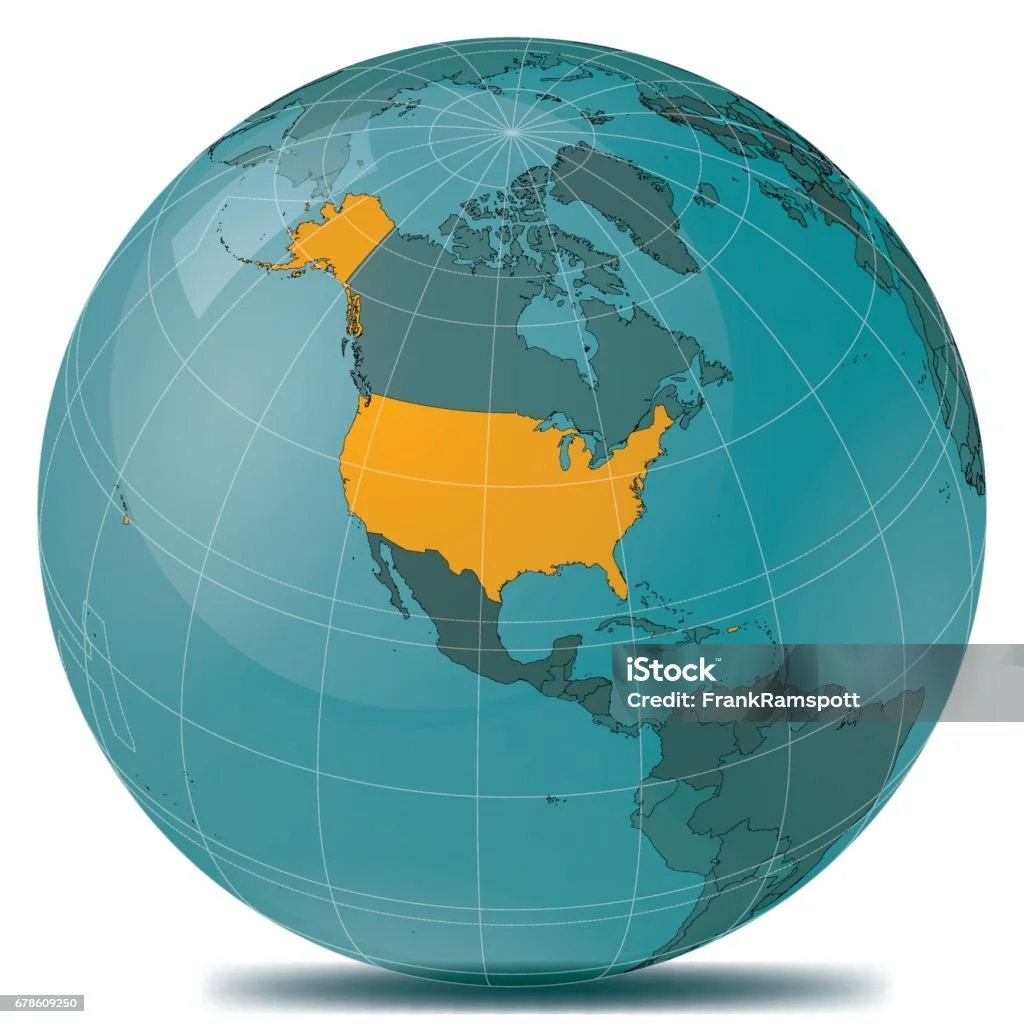
United States
Teaching ESL abroad offers a unique cultural experience while expanding career prospects. Demand is highest in Asia, the Middle East, Latin America, and Europe.
International K-12 Schools & Language Academies
Teach English in private international schools, bilingual schools, or language institutes.
Many schools prefer teachers with a ESL certification or Masters in Education-ESL.
Salaries vary by country but may include housing, airfare, and benefits.
Popular Destinations:
🇨🇳 China – High demand, salaries from $2,000 - $5,000/month.
🇰🇷 South Korea – Government programs like EPIK, salaries from $2,000 - $3,500/month.
🇯🇵 Japan – Teach in JET Program or private schools, $2,500 - $4,000/month.
🇦🇪 UAE & Saudi Arabia – High salaries ($3,500 - $6,000/month) but strict requirements.
University & Higher Education ESL Jobs 🎓
Teach English at colleges and universities abroad.
May require a Master’s in TESOL, Linguistics, or Applied Linguistics.
High demand in the Middle East, China, and European universities.
Salaries: $3,000 - $6,000/month with benefits in some regions.
Private Tutoring & Business English 💼
Teach professionals in business settings (e.g., corporate English training).
High-paying clients in Europe, Japan, and the Middle East.
Private tutors can earn $30 - $100/hour, depending on clientele.
Teach ESL for NGOs & Humanitarian Organizations❤️
Work with nonprofits, government aid programs, and refugee camps.
Teach survival English for integration into new communities.
Organizations like UNESCO, Peace Corps, and Teach Beyond offer these roles.
Online ESL Teaching (International Students) 🌐
Work from anywhere and teach students worldwide.
Best for digital nomads who want flexibility.
Salaries: $15 - $50 per hour, depending on experience and platform.
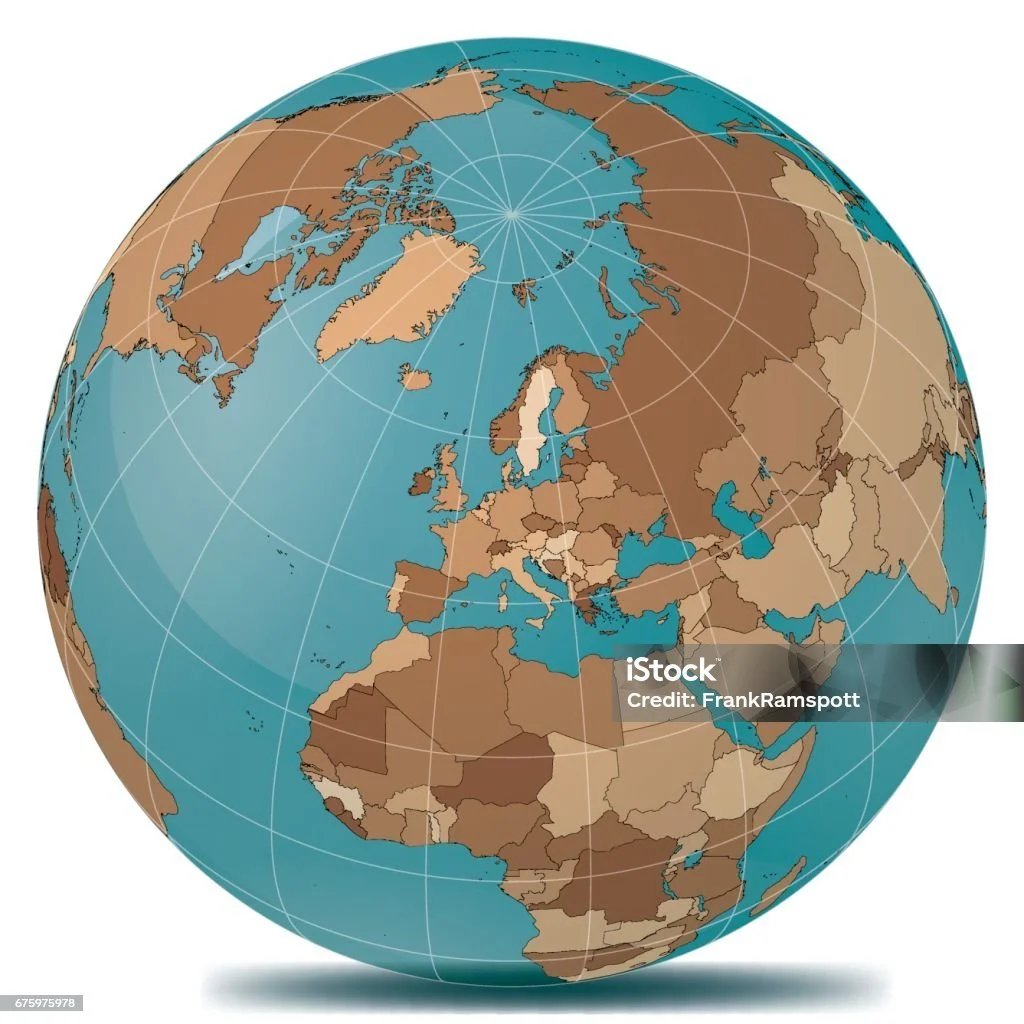
Internationally
U.S. Graduation Rates comparison
English Language Learners lag behind their non-ELL peers.
Key observations:
The gap in graduation rates between ELL and non-ELL students remains significant, ranging from 15 to 16 percentage points.
Certified ESL Teachers help close the gap.
Certified ESL Teachers provide a structure and support that encourage ELLs to enroll in college.
It's important to note that these figures represent national or state-level averages, and there can be significant variations between different states and school districts.
U.S K-12 Schools
Source: U.S. Department of Education
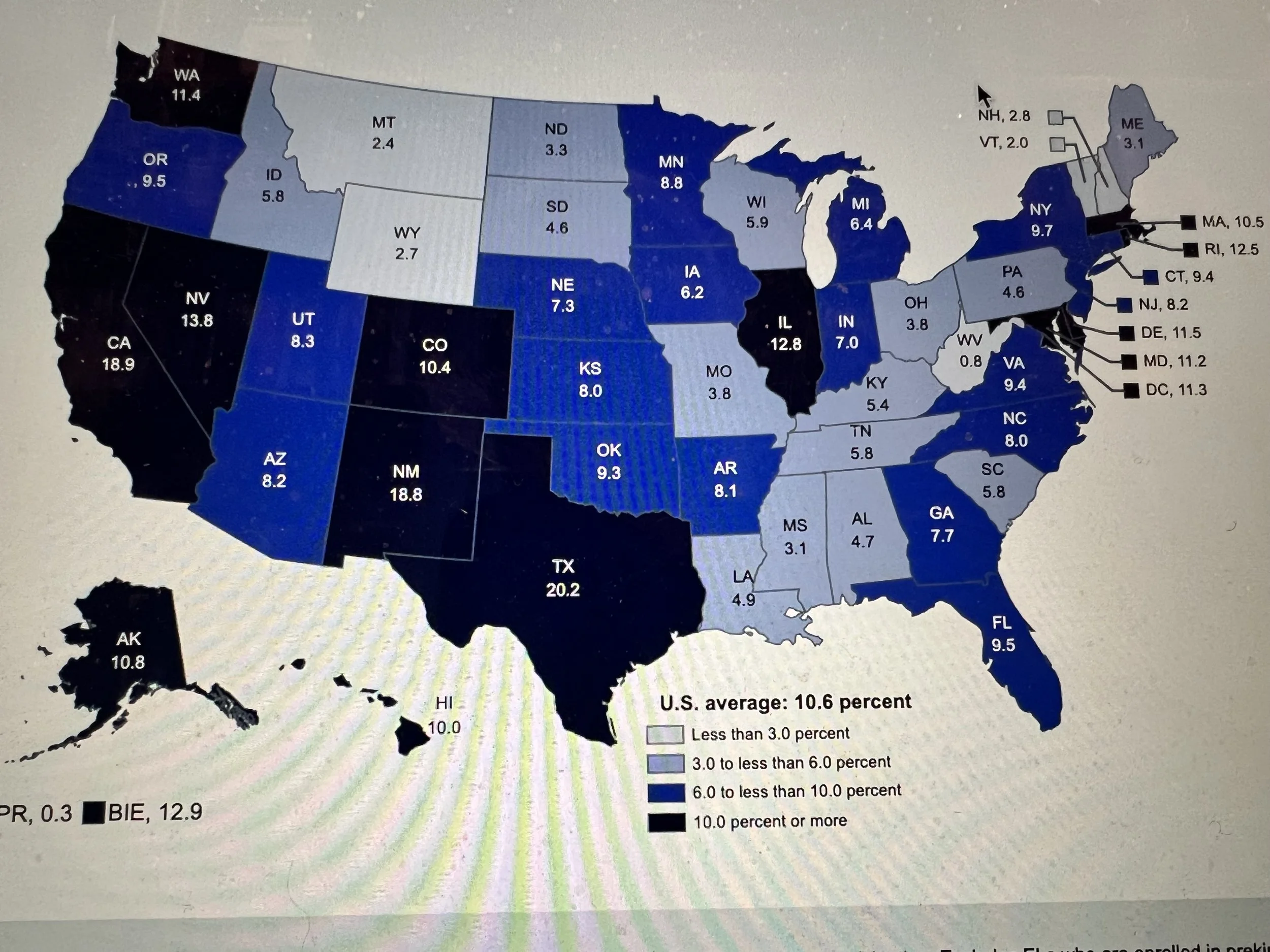
English Learners as a Percentage of U.S. Public School Enrollment by State
The percentage of public school students in the United States who were English learners (ELs) was higher in fall 2021 (10.6 percent, or 5.3 million students) than in fall 2011 (9.4 percent, or 4.6 million students). In fall 2021, across the 50 states and the District of Columbia, the percentage of public school students who were ELs ranged from 0.8 percent in West Virginia to 20.2 percent in Texas.
In fall 2021, more than three-quarters of ELs were Hispanic.8 Specifically, the racial/ethnic composition of ELs was
77.9 percent Hispanic (4.0 million students);
9.7 percent Asian (500,800 students);
6.1 percent White (313,300 students);
4.2 percent Black (213,800 students);
0.8 percent Two or more races (41,100 students);
0.7 percent American Indian/Alaska Native (37,400 students); and
0.6 percent Pacific Islander (33,400 students).
Among public school students who were English learners (ELs), percentage receiving services in English language instruction educational programs (LIEPs), by state or jurisdiction: Fall 2021
In fall 2021, some 93.1 percent of ELs (or 4.9 million students) received services in English language instruction educational programs (LIEPs) in public elementary and secondary schools.9 Although the number of students who received services in LIEPs increased between fall 2011 and fall 2021 (from 4.4 million to 4.9 million students), the percentage of ELs who received services in LIEPs was lower in fall 2021 than in fall 2011 (93.1 vs. 94.5 percent).
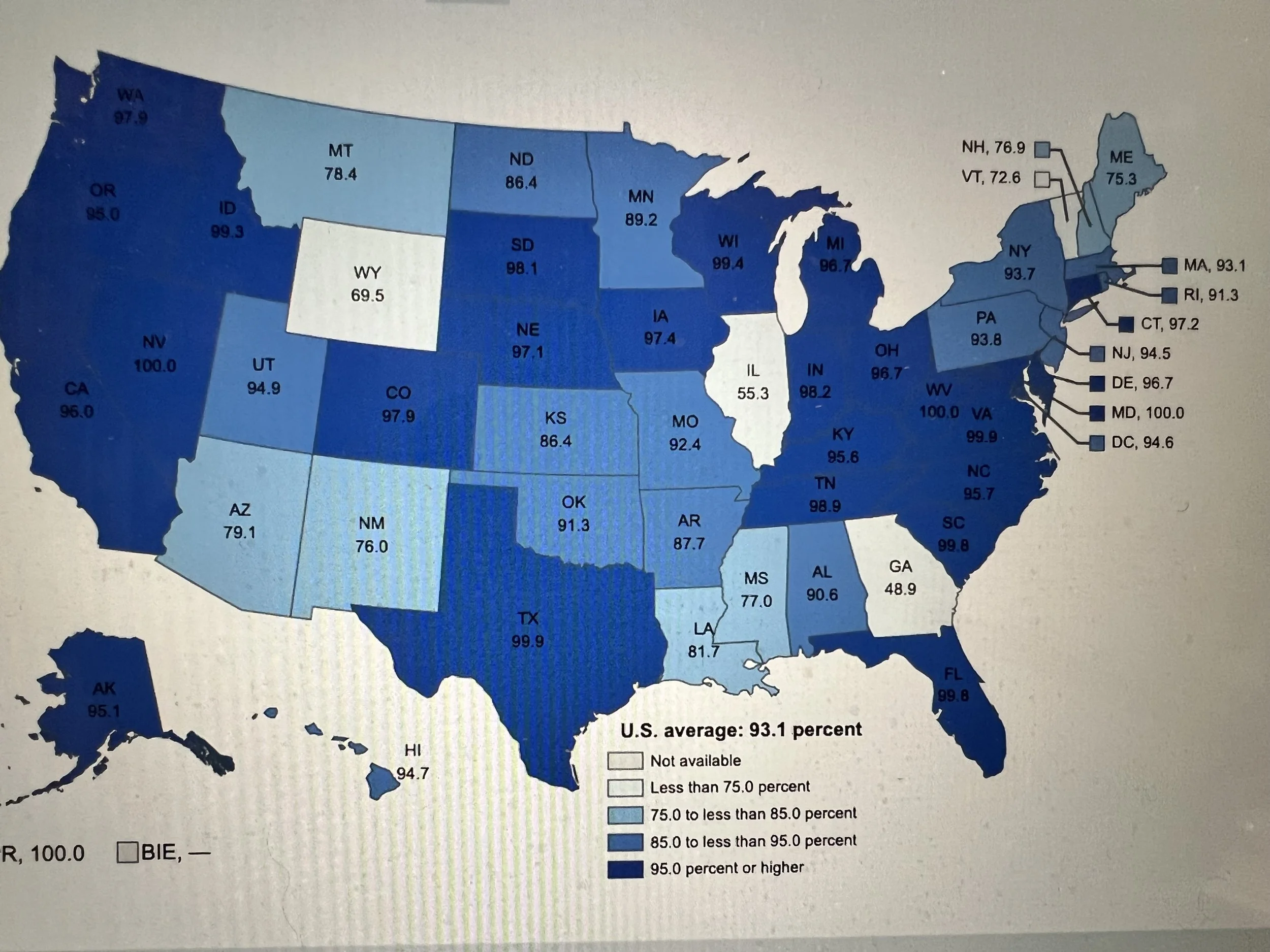
Twenty-five states reported that at least 95.0 percent of ELs received services in LIEPs in fall 2021. The 10 states with the highest percentages of ELs who received services in LIEPs were
West Virginia, Nevada, and Maryland (100.0 percent);10
Virginia and Texas (99.9 percent);
Florida and South Carolina (99.8 percent);
Wisconsin (99.4 percent);
Idaho (99.3 percent); and
Tennessee (98.9 percent).
An additional 14 states and the District of Columbia reported at least 85.0 percent but less than 95.0 percent of ELs receiving services in LIEPs, and 7 states reported at least 75.0 percent but less than 85.0 percent of ELs receiving services in LIEPs. The percentage of ELs who received services in LIEPs was less than 75.0 percent in 4 states:
Vermont (72.6 percent)
Wyoming (69.5 percent)
Illinois (55.3 percent)
Georgia (48.9 percent)
Currently 85.3% of non-EL’s are graduating, while only 64.1% of EL’s are graduating. Global Classroom has made an impact on facilitating the development and attainment of English proficiency and academic achievement of students whose native or first language is not English by establishing concrete curriculum regulations. In order for these students to excel at the same rate as non-EL’s, English language development (ELD) instruction, otherwise known as English as a Second Language (ESL) is delivered by a licensed ESL teacher. The ELD can be taught as a stand-alone class or course but may also be embedded within other courses with the direct support of an ESL program specialist as appropriate based on the program design and needs of the students.

